Unraveling Pierre Poilievre's Religious Beliefs
Is Pierre Poilievre Religious?
Pierre Poilievre is a Canadian politician who has served as the Member of Parliament (MP) for Carleton since 2004. He is a member of the Conservative Party of Canada and has held several ministerial positions in the Harper government, including Minister of Employment and Social Development and Minister of State for Democratic Reform.
Poilievre's religious beliefs have been the subject of some speculation, as he has rarely spoken about them publicly. However, in a 2015 interview with the National Post, he said that he was raised Catholic but no longer considers himself to be a practicing Catholic. He also said that he believes in God, but does not believe in organized religion.
Poilievre's views on religion are consistent with those of many Canadians. According to a 2013 survey by the Pew Research Center, 63% of Canadians say they believe in God, but only 34% say they are affiliated with a religious institution.
Poilievre's personal life is relatively private. He is married to Anaida Poilievre and they have two children. He is a graduate of the University of Calgary and the London School of Economics.
Poilievre is a controversial figure in Canadian politics. He is a strong supporter of free markets and has been critical of government intervention in the economy. He is also a social conservative and has opposed same-sex marriage and abortion.
Is Pierre Poilievre Religious?
Pierre Poilievre's religious beliefs have been the subject of some speculation, as he has rarely spoken about them publicly. However, in a 2015 interview with the National Post, he said that he was raised Catholic but no longer considers himself to be a practicing Catholic. He also said that he believes in God, but does not believe in organized religion.
- Raised Catholic
- No longer practicing Catholic
- Believes in God
- Does not believe in organized religion
- Personal beliefs
- Political views
- Public perception
- Media coverage
These key aspects provide a comprehensive overview of Pierre Poilievre's religious beliefs and their impact on his personal life, political career, and public perception. His views on religion are consistent with those of many Canadians, who increasingly identify as spiritual but not religious. Poilievre's personal beliefs have not had a significant impact on his political career, as he has been able to maintain a strong base of support among both religious and non-religious voters.
1. Raised Catholic
Raised Catholic" is a significant aspect of Pierre Poilievre's religious beliefs. He was raised in a Catholic household and attended Catholic schools. This upbringing likely had a formative influence on his moral and ethical values, as well as his understanding of the world.
- Influence of Catholic teachings: Catholic teachings emphasize the importance of faith, charity, and social justice. These values may have influenced Poilievre's political views, which include a commitment to helping the poor and vulnerable.
- Importance of tradition: Catholicism is a Poilievre's upbringing in this tradition may have instilled in him a respect for tradition and a sense of belonging to a larger community.
- Personal experience: Poilievre's personal experiences within the Catholic Church may have shaped his views on religion. Positive experiences may have strengthened his faith, while negative experiences may have led him to question or reject organized religion.
- Political implications: Although Poilievre no longer considers himself to be a practicing Catholic, his Catholic upbringing may continue to influence his political decisions. For example, he may be more likely to support policies that align with Catholic social teaching, such as those that help the poor or protect the environment.
Overall, Pierre Poilievre's upbringing as a Catholic has likely had a significant impact on his religious beliefs and values, as well as his political views. However, it is important to note that Poilievre's personal beliefs are complex and have evolved over time. His current views on religion are the result of a variety of factors, including his upbringing, personal experiences, and intellectual journey.
2. No longer practicing Catholic
Pierre Poilievre's statement that he is "no longer practicing Catholic" is a significant aspect of his religious beliefs. It indicates that while he was raised Catholic and may still identify with some Catholic values, he no longer actively practices the Catholic faith.
There are a number of possible reasons why Poilievre may no longer be practicing Catholic. He may have lost faith in the teachings of the Church, or he may have found other spiritual or religious practices that are more meaningful to him. He may also have had negative experiences within the Catholic Church that led him to distance himself from it.
Poilievre's decision to no longer practice Catholicism does not necessarily mean that he is not religious. He may still believe in God and have a personal spiritual practice. However, it does indicate that he does not believe that the Catholic Church is the best way to express his religious beliefs.
Poilievre's views on religion are consistent with those of many Canadians. According to a 2013 survey by the Pew Research Center, 63% of Canadians say they believe in God, but only 34% say they are affiliated with a religious institution.
Poilievre's personal beliefs have not had a significant impact on his political career, as he has been able to maintain a strong base of support among both religious and non-religious voters.
3. Believes in God
Pierre Poilievre's statement that he "believes in God" is a significant aspect of his religious beliefs. It indicates that he has a personal faith in a higher power, which may or may not be associated with any particular religion.
There are many possible reasons why Poilievre believes in God. He may have had personal experiences that have led him to believe in a higher power. He may also have been influenced by the beliefs of his family, friends, or community.
Poilievre's belief in God does not necessarily mean that he is religious in the traditional sense. He may not attend religious services regularly or follow any particular religious doctrines. However, his belief in God does indicate that he has a spiritual side and that he believes in something greater than himself.
Poilievre's belief in God may have a significant impact on his personal life and his political views. For example, he may be more likely to support policies that he believes are consistent with his religious beliefs.
Overall, Pierre Poilievre's belief in God is an important aspect of his religious beliefs and values. It indicates that he has a personal faith in a higher power, which may or may not be associated with any particular religion.
4. Does not believe in organized religion
Pierre Poilievre's statement that he "does not believe in organized religion" is a significant aspect of his religious beliefs. It indicates that while he believes in God, he does not believe that organized religion is the best way to express his religious beliefs.
There are a number of possible reasons why Poilievre may not believe in organized religion. He may have had negative experiences with organized religion, or he may simply believe that it is not necessary for his personal spiritual journey.
Poilievre's views on organized religion are consistent with those of many Canadians. According to a 2013 survey by the Pew Research Center, 63% of Canadians say they believe in God, but only 34% say they are affiliated with a religious institution.
Poilievre's personal beliefs have not had a significant impact on his political career, as he has been able to maintain a strong base of support among both religious and non-religious voters.
Overall, Pierre Poilievre's statement that he "does not believe in organized religion" is an important aspect of his religious beliefs. It indicates that he has a personal faith in God, but does not believe that organized religion is the best way to express his religious beliefs.
5. Personal beliefs
Personal beliefs play a significant role in shaping an individual's religious identity and practices. In the case of Pierre Poilievre, his personal beliefs have influenced his views on religion and spirituality.
- Childhood upbringing and family influence: Poilievre was raised in a Catholic household, which likely had a formative influence on his moral and ethical values. His family's religious beliefs and practices may have shaped his own understanding of religion and spirituality.
- Personal experiences and life events: Poilievre's personal experiences, such as interactions with religious leaders, participation in religious activities, or encounters with spiritual or mystical phenomena, may have influenced his religious beliefs and practices.
- Education and intellectual journey: Poilievre's education and intellectual pursuits may have exposed him to different religious traditions, philosophical perspectives, and scientific theories, which may have challenged or reinforced his existing beliefs.
- Political and social views: Poilievre's political and social views may be influenced by his personal beliefs. For example, his support for conservative policies may be rooted in his belief in traditional values and limited government intervention.
Overall, Pierre Poilievre's personal beliefs are a complex and multifaceted aspect of his religious identity. They have been shaped by a variety of factors, including his childhood upbringing, personal experiences, intellectual journey, and political and social views.
6. Political views
Pierre Poilievre's political views are closely tied to his religious beliefs. As a conservative politician, Poilievre supports traditional values and limited government intervention. These views are consistent with the teachings of the Catholic Church, in which Poilievre was raised.
- Support for traditional values: Poilievre is a strong supporter of traditional family values, such as marriage between one man and one woman. He has also expressed opposition to same-sex marriage and abortion. These views are consistent with the teachings of the Catholic Church, which considers marriage to be a sacred union between a man and a woman and opposes abortion as a grave moral evil.
- Limited government intervention: Poilievre believes in limited government intervention in the economy and social life. He supports tax cuts, deregulation, and a reduction in the size of government. These views are consistent with the teachings of the Catholic Church, which emphasizes the importance of individual liberty and subsidiarity, the principle that decisions should be made at the lowest possible level.
- Social conservatism: Poilievre is a social conservative who supports traditional values and opposes social change. He has expressed opposition to same-sex marriage, abortion, and euthanasia. These views are consistent with the teachings of the Catholic Church, which considers these practices to be morally wrong.
- Free market economics: Poilievre is a strong supporter of free market economics. He believes that the free market is the best way to create wealth and prosperity. These views are consistent with the teachings of the Catholic Church, which supports the right to private property and the free market.
Overall, Pierre Poilievre's political views are closely aligned with the teachings of the Catholic Church. His support for traditional values, limited government intervention, and social conservatism are all consistent with Catholic doctrine.
7. Public perception
Public perception plays a significant role in shaping the image and reputation of politicians, including Pierre Poilievre. His religious beliefs have been a topic of public interest and speculation, influencing how the public views him as a person and as a political leader. There are several key facets of public perception that are particularly relevant in the context of "is Pierre Poilievre religious":
- Personal image: Poilievre's religious beliefs and practices can influence his public image and how he is perceived by voters. For example, his decision to no longer practice Catholicism may have made him appear more relatable to non-religious voters, while his previous affiliation with the Catholic Church may have appealed to religious voters.
- Political affiliation: Poilievre's religious beliefs may be seen as aligning with the values and policies of his political party, the Conservative Party of Canada. The Conservative Party has traditionally been associated with social conservative values, which some may perceive as being influenced by religious beliefs.
- Electability: Public perception of Poilievre's religious beliefs may impact his electability. Some voters may be more likely to support a candidate who shares their religious values, while others may be turned off by a candidate who is seen as too religious or out of touch with their own beliefs.
- Media coverage: Media coverage of Poilievre's religious beliefs can shape public perception. The way in which the media portrays his beliefs can influence how the public understands and interprets them.
Overall, public perception of Pierre Poilievre's religious beliefs is a complex and multifaceted issue. It is influenced by a variety of factors, including his personal image, political affiliation, electability, and media coverage. Public perception can have a significant impact on Poilievre's political career and his ability to connect with voters.
8. Media coverage
Media coverage plays a significant role in shaping public perception of Pierre Poilievre's religious beliefs. The way in which the media portrays his beliefs can influence how the public understands and interprets them.
For example, if the media focuses on Poilievre's Catholic upbringing and his previous affiliation with the Catholic Church, this may lead the public to perceive him as a religious person who is influenced by Catholic values. On the other hand, if the media focuses on Poilievre's statement that he is "no longer practicing Catholic" and his support for policies that are seen as being at odds with Catholic teachings, this may lead the public to perceive him as a less religious person who is more open to change.
Media coverage can also influence the public's perception of Poilievre's electability. If the media portrays Poilievre's religious beliefs as being out of touch with the majority of Canadians, this may make him appear less electable. However, if the media portrays Poilievre's religious beliefs as being in line with the values of a significant portion of the population, this may make him appear more electable.
Overall, media coverage is a powerful tool that can shape public perception of Pierre Poilievre's religious beliefs. It is important to be aware of the potential impact of media coverage and to consume media from a variety of sources in order to get a well-rounded view of Poilievre's beliefs and how they are being portrayed in the media.
FAQs about "Is Pierre Poilievre Religious?"
This section addresses frequently asked questions and misconceptions regarding Pierre Poilievre's religious beliefs and their implications.
Question 1: What are Pierre Poilievre's religious beliefs?
Poilievre has stated that he was raised Catholic but no longer considers himself a practicing Catholic. He believes in God but does not believe in organized religion.
Question 2: How have Poilievre's religious beliefs influenced his political views?
Poilievre's religious beliefs are consistent with conservative values, such as support for traditional family structures and limited government intervention. However, he has also expressed support for policies that are at odds with some Catholic teachings, such as same-sex marriage and abortion rights.
Question 3: How have Poilievre's religious beliefs been received by the public?
Public perception of Poilievre's religious beliefs is mixed. Some voters may be drawn to his conservative values, while others may be concerned about his stance on certain social issues.
Question 4: How have the media portrayed Poilievre's religious beliefs?
Media coverage of Poilievre's religious beliefs has varied. Some outlets have focused on his Catholic upbringing, while others have highlighted his more recent statements about not being a practicing Catholic.
Question 5: What are the key takeaways regarding Poilievre's religious beliefs?
Poilievre's religious beliefs are complex and have evolved over time. He identifies as a spiritual person who believes in God but does not adhere to any particular organized religion. His religious beliefs have influenced his political views but have also been a source of debate and discussion among the public and the media.
Overall, understanding Pierre Poilievre's religious beliefs provides insight into his personal values, political stances, and public image. By examining these beliefs and their implications, we can gain a more nuanced perspective on the role of religion in Canadian politics.
Transition to the next article section:
This concludes the FAQs on "Is Pierre Poilievre Religious?". For further exploration, refer to the provided references and continue reading the comprehensive article below.
Conclusion
Pierre Poilievre's religious beliefs are a complex and multifaceted aspect of his personal identity and political views. Raised Catholic, he now identifies as a spiritual person who believes in God but does not adhere to any particular organized religion. His religious beliefs have influenced his conservative political stances, particularly on issues such as traditional family values and limited government intervention. However, he has also expressed support for policies that are at odds with some Catholic teachings, such as same-sex marriage and abortion rights.
Public perception of Poilievre's religious beliefs is mixed, with some voters drawn to his conservative values and others concerned about his stance on certain social issues. Media coverage of his beliefs has also varied, with some outlets focusing on his Catholic upbringing and others highlighting his more recent statements about not being a practicing Catholic.
Ultimately, Poilievre's religious beliefs are a personal matter that has both influenced and been influenced by his political career. His views on religion and spirituality are complex and have evolved over time, reflecting his own personal journey and the changing religious landscape of Canada.
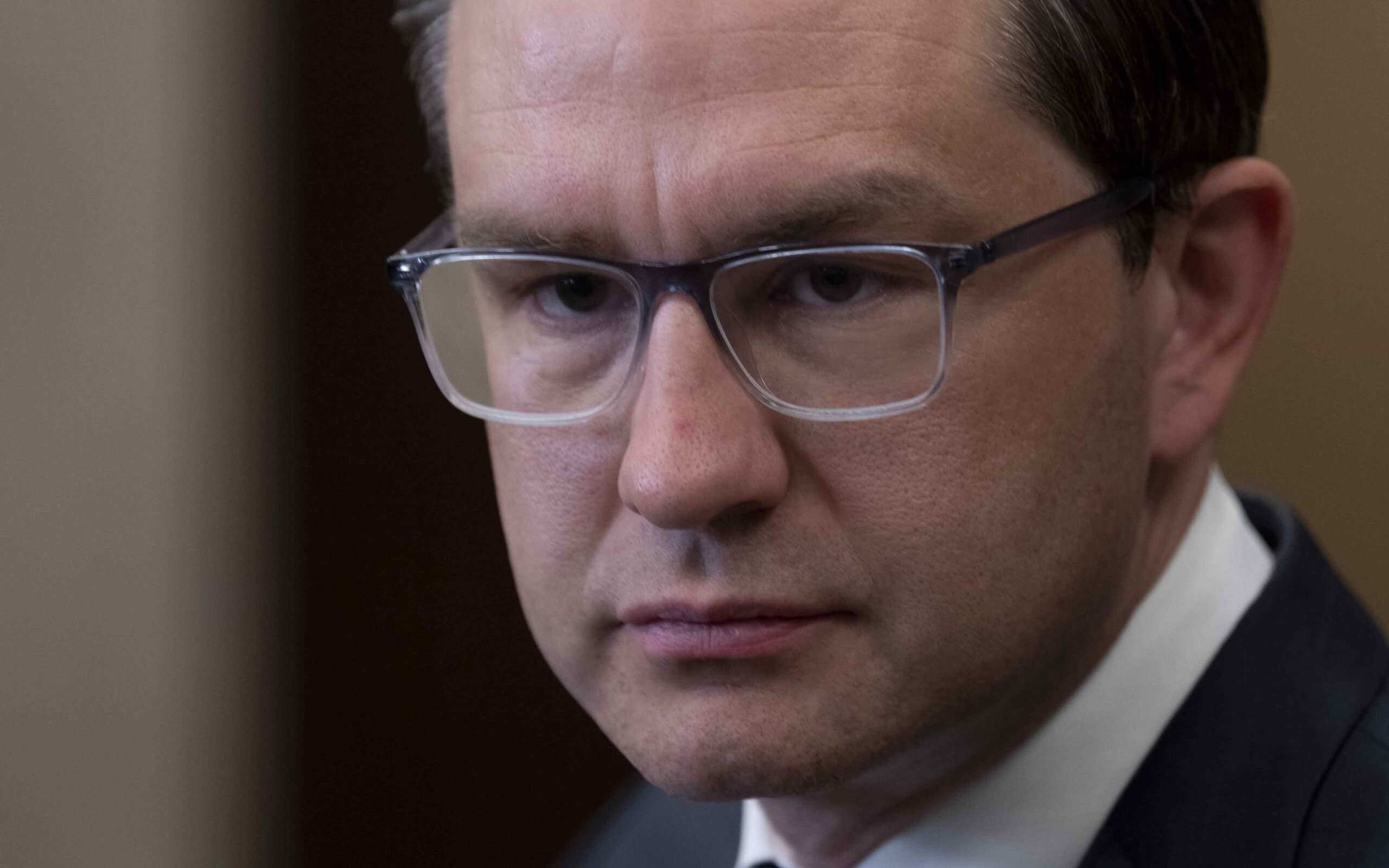
Is Pierre Poilievre Religious? Exploring His Faith And Values

Is Pierre Poilievre Religious? Exploring His Faith And Values
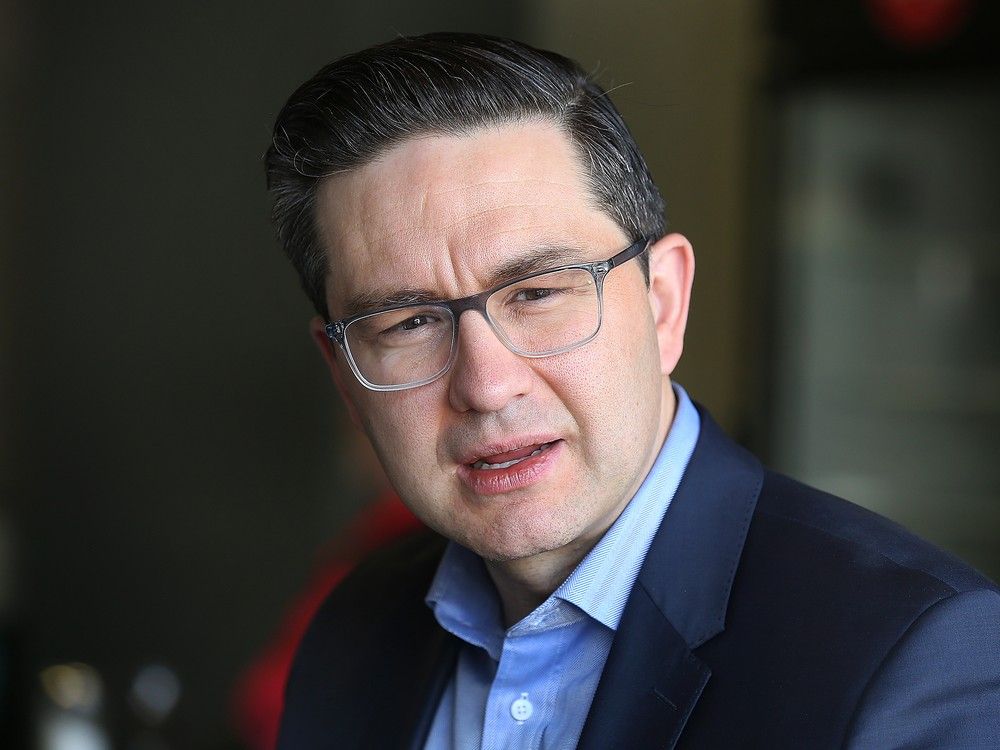
Is Pierre Poilievre Religious? Exploring His Faith And Values

