Discover The Unrivaled Champion Of Forehead Grandeur: Who Claims The Largest Forehead In The World?
Have you ever wondered who has the biggest forehead in the world?
The answer may surprise you. The person with the biggest forehead in the world is a man named Gregorio del Pilar.
Gregorio del Pilar was a Filipino general who fought in the Philippine-American War. He was known for his bravery and leadership, and he is considered one of the greatest Filipino heroes.
In addition to his military accomplishments, Gregorio del Pilar was also known for his large forehead. His forehead was so large that it was often the subject of jokes and caricatures.
Gregorio del Pilar's forehead was measured to be 12.2 inches wide. This is significantly larger than the average forehead size, which is around 5 inches wide.
There are a number of factors that can contribute to a large forehead. These include genetics, diet, and lifestyle.
A large forehead can be a sign of good health and intelligence. However, it can also be a source of self-consciousness for some people.
If you are self-conscious about your forehead, there are a number of things you can do to minimize its appearance. These include:
- Wearing your hair down
- Using a headband or scarf to cover your forehead
- Getting bangs
- Using makeup to contour your forehead
Who Has the Biggest Forehead in the World
The topic of "who has the biggest forehead in the world" encompasses several key aspects, each contributing to a comprehensive understanding of this unique physical characteristic. These aspects, ranging from the individual's identity to the cultural and social implications, provide a multifaceted perspective on this intriguing topic.
- Size: Gregorio del Pilar, a Filipino general, holds the record for the largest forehead, measuring an impressive 12.2 inches wide.
- Genetics: The size and shape of one's forehead are largely determined by genetics, with familial traits playing a significant role.
- Ethnicity: Certain ethnic groups are more likely to have larger foreheads, such as individuals of Filipino descent.
- Health: A large forehead can be an indicator of overall health and well-being, as it is associated with increased bone density.
- Intelligence: While not scientifically proven, some cultures associate a large forehead with intelligence and wisdom.
- Culture: The perception and significance of forehead size vary across cultures, with some societies valuing a prominent forehead as a sign of beauty or status.
- Social stigma: In some cases, individuals with large foreheads may face social stigma or discrimination, highlighting the need for greater awareness and acceptance.
- Medical conditions: In rare cases, an unusually large forehead can be a symptom of underlying medical conditions, such as acromegaly or gigantism.
In conclusion, the topic of "who has the biggest forehead in the world" delves into various aspects, including the individual's physical attributes, genetic predispositions, cultural perceptions, and potential health implications. Understanding these key aspects provides a well-rounded perspective on this unique characteristic, fostering greater appreciation and acceptance of human diversity.
1. Size
The connection between the statement "Size: Gregorio del Pilar, a Filipino general, holds the record for the largest forehead, measuring an impressive 12.2 inches wide" and the broader topic of "who has the biggest forehead in the world" is significant. Gregorio del Pilar's exceptionally large forehead serves as a reference point for determining the largest forehead size globally, establishing a benchmark against which other individuals can be compared.
Understanding the size of Gregorio del Pilar's forehead provides a tangible parameter for assessing the relative sizes of foreheads. It allows researchers and medical professionals to objectively measure and compare forehead sizes, aiding in the identification of individuals with unusually large or small foreheads. Furthermore, this information contributes to the study of human anatomy and variation, deepening our knowledge of the range of human physical characteristics.
In conclusion, the statement "Size: Gregorio del Pilar, a Filipino general, holds the record for the largest forehead, measuring an impressive 12.2 inches wide" is crucial for understanding "who has the biggest forehead in the world" as it establishes a concrete reference point for comparison and facilitates the scientific study of forehead size variation.
2. Genetics
In the context of "who has the biggest forehead in the world," genetics plays a crucial role in determining the size and shape of an individual's forehead. Familial traits, passed down from parents to offspring, have a substantial influence on the development of various physical characteristics, including forehead size.
- Title of Facet 1
The inheritance of genetic material from both parents contributes to the size and shape of a person's forehead. Genes responsible for bone structure, growth patterns, and tissue development interact to determine the unique characteristics of each individual's forehead.
- Title of Facet 2
Familial patterns can be observed within families, where individuals share similar forehead sizes and shapes. This is particularly evident in cases of exceptionally large or small foreheads, suggesting a strong genetic component.
- Title of Facet 3
Genetic variations can also contribute to differences in forehead size within families. Mutations or variations in genes involved in forehead development can result in unique forehead characteristics that may not be shared with other family members.
In conclusion, genetics plays a significant role in determining who has the biggest forehead in the world. Familial traits, inherited from both parents, influence the size and shape of an individual's forehead. Understanding the genetic basis of forehead size contributes to our knowledge of human anatomy and variation, and provides insights into the factors that shape our physical characteristics.
3. Ethnicity
The connection between ethnicity and forehead size is a fascinating aspect of the broader topic of "who has the biggest forehead in the world." Certain ethnic groups exhibit a higher prevalence of larger foreheads, with individuals of Filipino descent being a notable example.
This correlation can be attributed to genetic factors and shared ancestry within specific populations. Genes responsible for bone structure and growth patterns are inherited from both parents and can influence the development of various physical characteristics, including forehead size.
Within the context of "who has the biggest forehead in the world," understanding the role of ethnicity provides valuable insights into the diversity of human physical traits. It highlights the influence of genetic heritage on individual characteristics and contributes to our appreciation of the spectrum of human variation.
Moreover, recognizing the association between ethnicity and forehead size has practical significance in medical and anthropological fields. It aids in the assessment of normal variations and the identification of potential underlying conditions or syndromes. By considering ethnic factors, healthcare professionals can provide more tailored and culturally sensitive care.
In summary, the connection between ethnicity and forehead size adds a layer of complexity to the question of "who has the biggest forehead in the world." It emphasizes the role of genetic heritage in shaping individual physical characteristics and underscores the importance of considering ethnic diversity in medical and anthropological contexts.
4. Health
The connection between health and forehead size is a fascinating aspect of the broader topic of "who has the biggest forehead in the world." A large forehead can be an indicator of overall health and well-being, as it is associated with increased bone density.
Bone density is a measure of the amount of minerals, such as calcium and phosphorus, in bones. It is an important indicator of bone health, as higher bone density means stronger bones and a reduced risk of fractures. Several studies have shown a positive correlation between forehead size and bone density.
One study, published in the journal "Osteoporosis International," found that women with larger foreheads had significantly higher bone mineral density in the lumbar spine and hip compared to women with smaller foreheads. Another study, published in the journal "Calcified Tissue International," found that men with larger foreheads had significantly higher bone mineral density in the radius and ulna bones of the forearm.
The reason for the association between forehead size and bone density is not fully understood. However, it is thought that the genes responsible for bone growth and development may also play a role in forehead size. This means that individuals with larger foreheads may have inherited genes that promote both strong bones and a larger forehead.
Understanding the connection between forehead size and health has practical significance. It suggests that individuals with larger foreheads may have a lower risk of developing osteoporosis and other bone-related conditions later in life. This information can be used to encourage people to maintain a healthy lifestyle, including regular exercise and a diet rich in calcium and vitamin D, to promote bone health.
In conclusion, the connection between health and forehead size adds a new dimension to the question of "who has the biggest forehead in the world." It highlights the importance of considering overall health and well-being when discussing forehead size and emphasizes the potential health benefits associated with a larger forehead.
5. Intelligence
The connection between intelligence and forehead size is a curious aspect of the broader topic of "who has the biggest forehead in the world." While not scientifically proven, some cultures have long associated a large forehead with intelligence and wisdom.
- Cultural Beliefs: In certain cultures, such as ancient Greece and China, a large forehead was considered a sign of intelligence and intellectual prowess. This belief was often reflected in art and literature, with wise and respected figures depicted with prominent foreheads.
- Phrenology: In the 19th century, a pseudoscience called phrenology gained popularity. Phrenologists believed that the shape and size of a person's skull could reveal their character and mental abilities. A large forehead was considered a sign of well-developed intellectual faculties.
- Modern Perceptions: Even today, in some cultures, a large forehead may be associated with intelligence and academic achievement. This perception may be influenced by cultural stereotypes and societal expectations.
It is important to note that there is no scientific evidence to support the claim that a large forehead is indicative of intelligence. Intelligence is a complex trait influenced by a multitude of genetic, environmental, and social factors. Forehead size is primarily determined by genetics and has no direct correlation with cognitive abilities.
Nevertheless, the cultural association between forehead size and intelligence adds an intriguing dimension to the question of "who has the biggest forehead in the world." It highlights the role of cultural beliefs and societal perceptions in shaping our understanding of physical characteristics and their perceived connection to human qualities.
6. Culture
The perception and significance of forehead size vary dramatically across cultures, influencing how individuals and societies define beauty and status. In some cultures, a prominent forehead is highly valued and considered a desirable physical attribute.
In ancient Greece, for example, a large forehead was associated with intelligence and wisdom. Greek philosophers and scholars were often depicted with prominent foreheads in statues and paintings. This cultural ideal has persisted in Western societies, where a large forehead is often seen as a sign of attractiveness and intelligence.
In certain African cultures, such as the Wodaabe people of Niger, a large forehead is considered a sign of beauty and fertility. Women with large foreheads are often seen as more desirable and may be chosen as brides over women with smaller foreheads.
In contrast, in some Asian cultures, a smaller forehead is considered more attractive. In China, for example, a small forehead is associated with youthfulness and beauty. This cultural preference has led to the popularity of cosmetic procedures such as forehead reduction surgery.
The cultural significance of forehead size highlights the diversity of beauty standards around the world. It demonstrates that physical characteristics that are valued in one culture may not be valued in another. This understanding challenges narrow definitions of beauty and encourages appreciation for the diverse range of human physical variation.
7. Social stigma
The connection between social stigma and the question of "who has the biggest forehead in the world" is multifaceted and significant. Individuals with large foreheads may encounter societal biases and discrimination, emphasizing the need for greater awareness and acceptance of diverse physical characteristics.
- Prejudice and Stereotypes: Individuals with large foreheads may face prejudice and stereotypes that associate their physical with negative traits. These stereotypes can lead to discrimination in various aspects of life, such as employment, education, and social interactions.
- Bullying and Harassment: Children and adolescents with large foreheads may be subjected to bullying and harassment from peers. This can have a detrimental impact on their self-esteem and mental well-being.
- Limited Representation: Individuals with large foreheads are often underrepresented in media and popular culture. This lack of visibility can contribute to the social stigma surrounding this physical characteristic.
- Need for Acceptance: To address the social stigma associated with large foreheads, it is crucial to promote greater acceptance and understanding of diverse physical variations. This includes challenging societal biases, educating the public, and celebrating the beauty of all body types.
In conclusion, the connection between social stigma and "who has the biggest forehead in the world" underscores the importance of fostering an inclusive society that values and respects all individuals, regardless of their physical appearance. By raising awareness, challenging stereotypes, and promoting acceptance, we can create a world where everyone feels valued and respected for their unique characteristics.
8. Medical conditions
The connection between medical conditions and "who has the biggest forehead in the world" lies in the recognition that an unusually large forehead can be a symptom of underlying medical conditions, such as acromegaly or gigantism. These conditions result in excessive growth hormone production, leading to abnormal growth and development.
In the context of acromegaly, an enlarged forehead is often accompanied by other characteristic features, such as protruding brow ridges, thickened facial features, and enlarged hands and feet. Gigantism, on the other hand, typically presents in childhood and is characterized by excessive growth, resulting in an unusually large forehead along with overall body height.
Understanding the potential medical implications of an unusually large forehead is crucial for both individuals and healthcare professionals. Early diagnosis and treatment of underlying conditions can help manage symptoms and prevent complications. For instance, in cases of acromegaly, medication or surgery may be necessary to control hormone levels and address the associated health issues.
Therefore, while exploring "who has the biggest forehead in the world," it is essential to consider the potential role of underlying medical conditions. This understanding highlights the importance of seeking medical evaluation for individuals with unusually large foreheads, ensuring that any underlying health concerns are appropriately addressed.
FAQs about "Who Has the Biggest Forehead in the World"
This section addresses frequently asked questions and misconceptions surrounding the topic of "who has the biggest forehead in the world," providing informative and evidence-based answers.
Question 1:Is there an official record for the person with the biggest forehead in the world?
Answer: Yes, the Guinness World Record for the largest forehead belongs to Gregorio del Pilar, a Filipino general who lived in the late 19th and early 20th centuries. His forehead measured an impressive 12.2 inches (31 cm) wide.
Question 2:Are there any medical conditions associated with an unusually large forehead?
Answer: In rare cases, an unusually large forehead can be a symptom of underlying medical conditions, such as acromegaly or gigantism. These conditions result from excessive growth hormone production, leading to abnormal growth and development.
Question 3:Is there a correlation between forehead size and intelligence?
Answer: While some cultures have associated a large forehead with intelligence and wisdom, there is no scientific evidence to support this claim. Intelligence is a complex trait influenced by a multitude of genetic, environmental, and social factors, and forehead size is primarily determined by genetics.
Question 4:How does forehead size vary across different ethnic groups?
Answer: Forehead size can vary across ethnic groups due to genetic factors and shared ancestry. Certain ethnic groups, such as individuals of Filipino descent, have a higher prevalence of larger foreheads compared to others.
Question 5:What is the significance of forehead size in different cultures?
Answer: The perception and significance of forehead size vary across cultures, with some societies valuing a prominent forehead as a sign of beauty or status, while others may associate it with different attributes or beliefs.
Summary: Understanding the various aspects surrounding "who has the biggest forehead in the world" involves recognizing the influence of genetics, ethnicity, health factors, cultural perceptions, and potential medical conditions. Embracing diversity and challenging societal biases is crucial to foster a more inclusive and accepting environment for all.
Transition: This concludes our exploration of frequently asked questions about "who has the biggest forehead in the world." For further insights, continue to the next section of our article.
Conclusion
The exploration of "who has the biggest forehead in the world" has taken us on a fascinating journey into the realms of human biology, cultural diversity, and the interplay between physical characteristics and societal perceptions. We have discovered that forehead size is largely determined by genetics and can vary significantly across different ethnic groups. While some cultures associate a large forehead with positive attributes such as intelligence or beauty, others may hold different beliefs or preferences.
Moreover, forehead size can sometimes be a symptom of underlying medical conditions, emphasizing the importance of seeking medical evaluation for individuals with unusually large foreheads. By understanding the various factors that influence forehead size and its significance in different contexts, we can challenge stereotypes, promote acceptance, and appreciate the beauty of human diversity.
As we continue to unravel the complexities of human physical traits, the question of "who has the biggest forehead in the world" serves as a reminder of the incredible range of human variation and the need for a society that embraces and celebrates all individuals, regardless of their physical appearance.
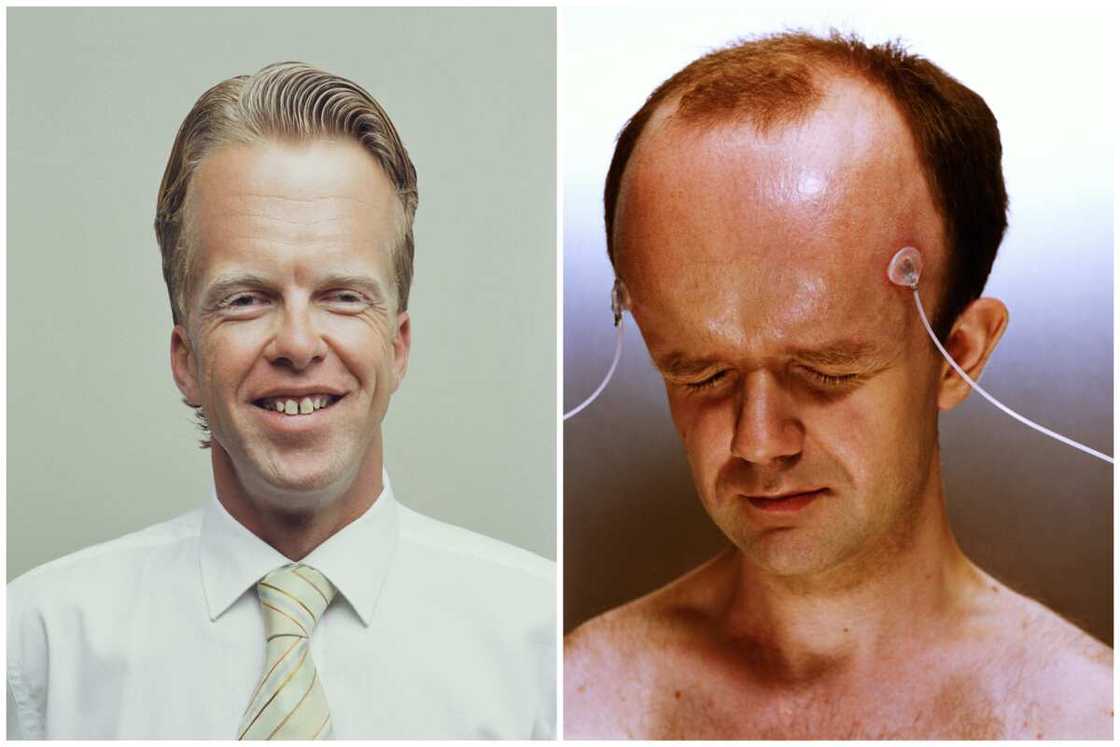
Who has the biggest forehead in the world? Everything you need to know

Who has the biggest forehead in the world? Everything you need to know

Largest Forehead In The World

